



























JETRO Invest Japan Report 2025
Chapter3. Initiatives to Expand FDI into Japan Entering a New Phase Section2. [Interview] Spillover Effects of Inward Foreign Direct Investment Promoted by "Collaboration Facilitation Support"
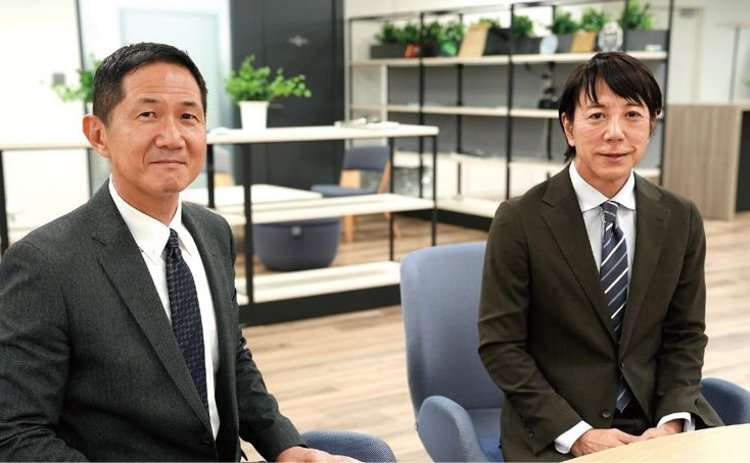
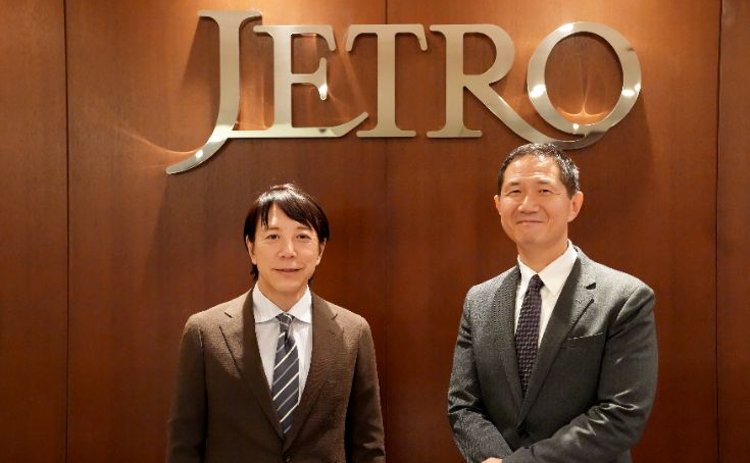
The entry of foreign companies into the Japanese market brings about multifaceted benefits, including job creation, promotion of innovation through international joint research and technology exchange, and the resulting improvement in productivity and competitiveness of Japanese companies. In this context, JETRO conducted a dialogue with Professor Yasuyuki Todo of Waseda University's Faculty of Political Science and Economics, an international economics expert who researches the economic impact of inward foreign direct investment (FDI). We discussed the significance, challenges, countermeasures, and future direction of inward FDI, aimed at strengthening Japan's economy.
Date: October 28, 2025 Participants:
- Yasuyuki Todo, Professor, Waseda University
- Takeo Nakajima, Director-General, Innovation Department, JETRO Moderator: Taku Miyazaki, Director, Strategic Planning Division, Innovation Department, JETRO
An Era of Creating Innovation Leveraging Global Partnerships
(Titles omitted below)
Miyazaki(Moderator): In June 2025, the Japanese government raised its target for inward FDI stock in 2030 from 100 trillion yen to 120 trillion yen and further announced its aim to reach 150 trillion yen as early as possible in the early 2030s. With the momentum for promoting inward FDI growing, I would first like to ask you about the effects of inward FDI as seen from your research.
Todo: It goes without saying that inward FDI creates domestic employment. However, I want to emphasize that its impact on the Japanese economy goes far beyond that. Foreign companies that can invest in Japan generally possess advanced technologies, which spill over to domestic companies across various industries. It has the effect of enhancing productivity and sales and driving economic growth, through interactions and knowledge sharing among engineers from Japan and abroad, joint research projects between foreign companies and Japanese universities, and the introduction of new business models and management practices not previously seen in Japan, and this has been empirically proven by firm-level data*1.(*1)。
Nakajima: JETRO has been working to promote inward FDI to Japan for over 20 years. When we first launched, the amount of inward FDI was extremely small, so our focus was on quantitative expansion. In recent years, however, we have shifted toward attracting companies that can drive innovation and strengthen Japan's economic growth and its competitiveness. After World War II, Japan developed by strengthening the competitiveness of its domestic companies, but as is the case in many other countries, the time has come for foreign companies to serve as another engine of economic growth. This fosters healthy competition, sparks innovation, and expands domestic business opportunities.
![A bar chart showing the difference in the effect of domestic joint research and international joint research on the number of patent citations (quality of innovation) across six countries: the US, Japan, Germany, South Korea, France, and China. The vertical axis represents the size of the effect (unit: %), and the horizontal axis represents each surveyed country. The data for each country consists of two bars: [Domestic Joint Research] on the left and [International Joint Research] on the right. * Overall Trend: In all surveyed countries, it demonstrates that international joint research has a significantly larger effect on increasing the number of patent citations compared to domestic joint research. * Status by Country: * US, Japan, Germany, South Korea, France: The effect of domestic joint research is generally around 10%, but for international joint research, it rises to around the high 20% to 40% range. South Korea, in particular, shows a wide gap between domestic (approx. 10%) and international (approx. 40%). * China: Shows an outstandingly high figure compared to other countries, recording a very high effect of about 70% for domestic joint research and over 130% for international joint research. Throughout the entire graph, it visually demonstrates that joint research, particularly cross-border [international joint research,] has an extremely strong positive impact on the improvement of innovation quality (increase in patent citations).](/ext_images/invest/img/investment_environment/ijre/report2025/ch3/02.jpg)
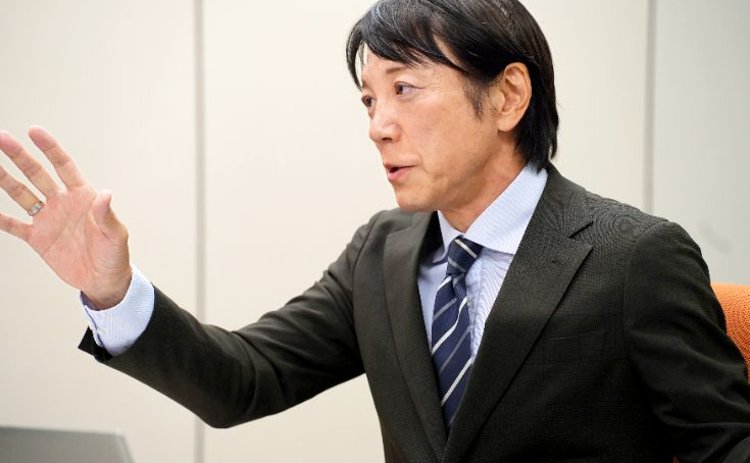
Professor, Waseda University Yasuyuki Todo
Todo: Relying solely on domestic innovation is no longer sufficient for achieving robust growth. Other advanced economies are also creating innovation through inward FDI and international joint research. While some developing countries rely excessively on inward FDI, often failing to link it to their own innovation, China and Singapore have not only leveraged foreign investment but also strengthened domestic innovation in recent years, contributing to their national development. Both elements—creating innovation domestically and absorbing technology from abroad—are essential.
The Key to Maximizing Impact Lies in Connections in Technology and Research
Miyazaki (Moderator): What do you think are the essential factors to widely disseminate advanced technologies and innovations from overseas into Japan and maximize their impact?
Todo: Our research has revealed two key conditions. The first is that foreign companies are strongly connected to domestic companies through supply chains. The second is that both sides engage in technological collaboration through joint research. In other words, it is not enough for foreign companies to simply be present in Japan; it is crucial that both sides are connected in some way.
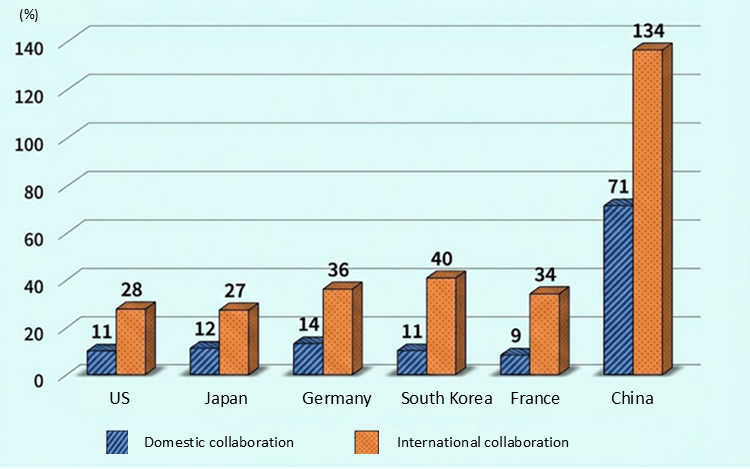
Source: Iino T, Inoue H, Saito YU, Todo Y. 2021. How Does the Global Network of Research Collaboration Affect the Quality of Innovation? Japanese Economic Review. 72; 5-48.
Nakajima: That is highly insightful. From what you've just said, I feel that Japan is a country where the effects of inward FDI are more likely to materialize. In countries at an early stage of economic development, it is often the case that they merely assemble imported parts for export. In such situations, employment increases, but the technological spillover to local companies is limited. In Japan, foreign companies entering the market and domestic companies operate on equal footing, making it easy to generate synergistic effects.
Demonstrating a Commitment to Open Innovation to Make Japan a Preferred Investment Destination
Miyazaki (Moderator): What measures do you think would be effective in maximizing the impact of attracting foreign companies through collaboration and cooperation with domestic companies?
Todo: First and foremost, providing information support is critical. When companies expand overseas, it is generally not easy to obtain information about potential investment destinations. Japan should actively share information abroad about what kinds of companies, suppliers, business partners, and customers exist here. Moreover, support after attracting foreign companies is equally critical. It is essential to create an environment and systems that enable smooth connections between companies and allow foreign companies to collaborate effectively with Japanese businesses—such as helping them build networks with local businesses in the regions where they operate.
Nakajima: JETRO actively supports partnerships between foreign and Japanese companies and research institutions. For example, in 2022, Singapore-based AI diagnostic imaging company FathomX signed a joint research agreement with the National Cancer Center Hospital East through JETRO's arrangement. Subsequently, in 2024, the company established a base in Japan, and JETRO has continued to provide support through initiatives such as demonstration subsidy programs.
To further strengthen support for such collaborations, JETRO launched J-Bridge (Japan Innovation Bridge), a business platform connecting domestic and overseas companies, universities, and research institutions and assists in forming collaborative projects such as technology partnerships, pilot projects, and joint research. We believe it is important to show the world that Japanese universities and research institutions welcome open innovation and JETRO is committed to promoting this message even more vigorously.
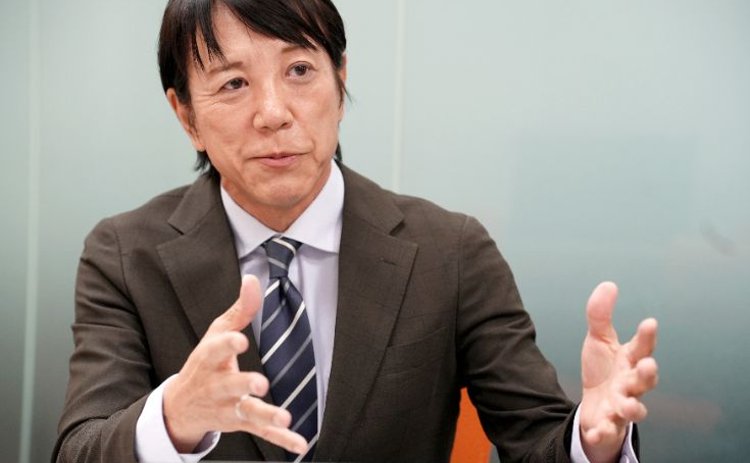
Director-General, Innovation Department, JETRO Takeo Nakajima
Creating Attractive Regional Investment Environments through Human Resource Development and Integrated Urban Development
Miyazaki (Moderator): Next, I would like to ask about the challenges Japan faces in promoting inward FDI, and how we should overcome them.
Todo: Whether attracting foreign companies or connecting domestic and international players to maximize the impact of such investments, what is needed is human resources capable of working effectively in diverse, international settings. It is crucial to understand foreign business perspectives and to translate that understanding into mutual benefit. However, Japan still lacks such talent, particularly in STEM fields and regional cities. One effective approach would be policies to bring back individuals with advanced education or professional experience acquired overseas, which would require raising salary levels. At the same time, we should also focus on domestic talent development—providing opportunities for international exchange at an early age and promoting studying abroad during their student years, to foster a global mindset.
Nakajima: The shortage of talent has been identified as the biggest challenge in JETRO's annual "Survey on Business Operations of Foreign-Affiliated Companies in Japan,"(*2) and it could become a barrier to business expansion, entry into regional cities, and new business development. The employment rate in Japan among international students is 51.6%(*3); retaining highly skilled talent in Japan and enabling them to play an active role in business with foreign companies are also crucial. To this end, JETRO offers programs, including courses that introduce job opportunities at foreign-affiliated companies to students at major universities.
Todo: Another challenge is that inward FDI tends to be concentrated in the Tokyo metropolitan area, and it rarely reaches regional cities. One reason is that the living environments for foreigners are not sufficiently developed. In particular, there is strong interest in education for their children, and international schools are one of the key factors in attracting foreign companies. The recent progress in establishing such schools in places like Kumamoto and Hiroshima is a positive trend.
Nakajima: Recently, regional cities are increasingly establishing incubation facilities and research labs as part of their urban development, attracting domestic and international startups and accelerators. For municipalities, urban development is a policy area that they can actively pursue, and it also contributes to creating a more comfortable living environment for foreigners. Examples include the area around ES CON FIELD HOKKAIDO in Hokkaido, UMEKITA (the north area of Osaka Station) in Osaka, and KASHIWANOHA in Chiba Prefecture. Building such environments where regional revitalization and diverse talent coexist offers a big new business opportunity to Japan. It will also contribute to regional revitalization and the expansion of inward FDI.

Maintaining Some Flexibility in Investment Attraction Efforts While Focusing on Strategic Areas
Miyazaki (Moderator): Going forward, what direction should the Japanese government and JETRO take in attracting foreign companies? We would appreciate your insights.
Todo: From the perspective of economic security, even when it comes to inward FDI, Japan should not accept it without limits. In October 2025, the new administration was launched and Prime Minister Takaichi issued a directive to all cabinet ministers, which mentioned the "enhancement of screening for inward direct investment in Japan." This direction is a positive step, and we should attract investments that truly benefit Japan after proper screening. However, excessive regulation would hinder investment, so it is essential to clarify the rules, ensure transparent implementation, and actively disseminate this information overseas.
Nakajima: I agree. Considerations for economic security are crucial, and in the context of global supply chain restructuring, Japan should not adopt a stance of "any investment is welcome." Instead, we should focus on attracting strategic industries, companies, and technologies that Japan needs. Both the government and JETRO are shifting toward this direction. Focusing on areas such as semiconductors and microelectronics, life sciences, and decarbonization, JETRO is actively engaging in investment promotion by leveraging its overseas network.
Todo: Of course, it is important to define priority areas, such as semiconductors, which are currently a focus of countries around the world, but data also show that a competitive and open environment tends to deliver better results as an industrial policy in the long term. Rather than focusing too narrowly on specific companies or sectors, it is desirable to conduct investment promotion activities maintaining an aspect that does not overly restrict the scope, and leaving room for industries with latent potential.
-
*1
Source: Todo Y. 2006. Knowledge Spillovers from Foreign Direct Investment in R&D: Evidence from Japanese Firm-Level Data. Journal of Asian Economics. 17; 996-1013.

-
*2
According to the results of JETRO's Survey on Business Operations of Foreign-Affiliated Companies in Japan 2024, the top two items where companies particularly expect improvement in their business activities in Japan were "securing general personnel" (21.7%) and "securing highly skilled personnel" (18.0%) (multiple responses).
-
*3
Results of the 2023 Survey on Career Paths of International Students (May 2025, Japan Student Services Organization).
JETRO Invest Japan Report 2025
-
Section1
-
Section2
-
Section3
-
Section4
-
Section1
-
Section2
-
Section3
-
Section4
-
Section5
-
Section1
-
Section2
-
Section3
 (2.9MB)
Laws and Regulations on Setting Up Business in Japan Pamphlet

The pamphlet "Laws & Regulations" is available in PDF, and outlines basic information about laws, regulations and procedures related to setting up a business in Japan. It is available in English and Japanese. You can download via the "Request Form" button below.
Contact Us
Investing in and collaborating with Japan
We will do our very best to support your business expansion into and within Japan as well as business collaboration with Japanese companies. Please feel free to contact us via the form below for any inquiries.
Inquiry FormJETRO Worldwide
Our network covers over 50 countries worldwide. You can contact us at one of our local offices near you for consultation.
Worldwide Offices