


























September 2026
Japan's Kashiwa-no-ha Cluster Draws Global Life Sciences Investment
Dec 16, 2025
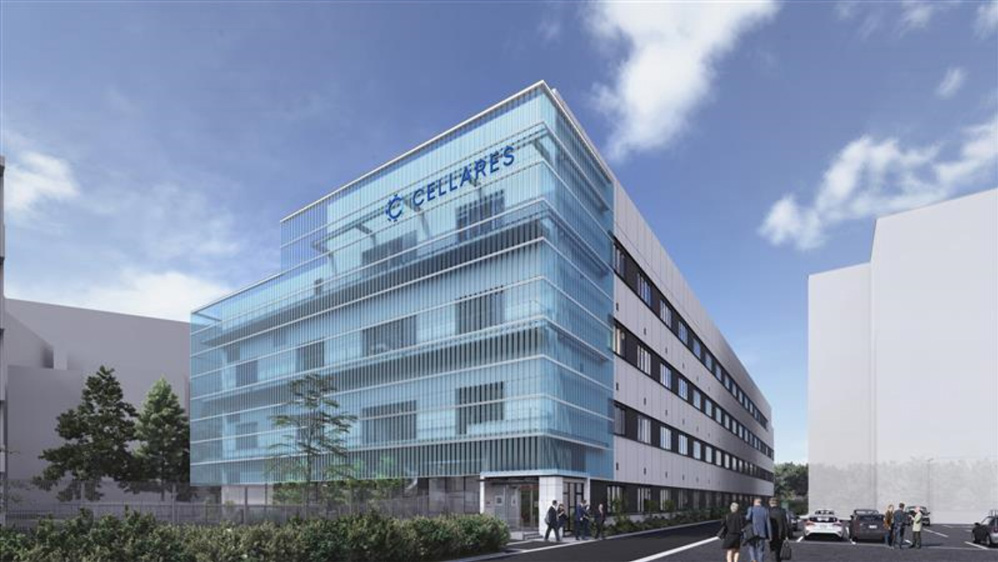
Rendering for the exterior of Cellares’ new facility (Provided by: Mitsui Fudosan)
Cellares to Establish the First Asian CAR-T Cell Therapy Product Manufacturing Hub in Kashiwa-no-ha
Japan, long known for its high engineering and manufacturing capabilities, is now gaining global attention in the field of life sciences. A new wave of international investment shows that Japan is emerging as a significant player especially in the rapidly growing cell and gene therapy space, which is projected to grow at an annual rate of over 30% through 2030 (*1).
Cellares Corporation, a California-based Integrated Development and Manufacturing Organization (IDMO) engaged in contract manufacturing of cell-therapy products, announced in May 2025 that it would establish the first major development and production hub in Asia in the Kashiwa-no-ha district of Kashiwa City, Chiba Prefecture, Japan. The move was prompted by a 380 million USD (approximately 58 billion JPY) global partnership with Bristol-Myers Squibb (BMS), under which Cellares is commissioned to domestically manufacture products used in CAR-T cell therapies, which involve genetically modifying immune cells collected from cancer patients.
Cellares CEO, Fabian Gerlinghaus, said in an interview, "Japan has world-class medical regulatory institutions, deep scientific expertise, and very strong demand for next-generation CAR-T cell therapies." Gerlinghaus also pointed out that Japan's scientific infrastructure and its growing biotech ecosystem were major attractions for business and added, "We see Japan as a cornerstone for our Asia network and a launchpad for the broader region."

Fabian Gerlinghaus, CEO, Cellares
Strengthening the Biomedical Cluster: A Magnet for Global Firms and Investors
The Kashiwa-no-ha district is located about 30 minutes by train from central Tokyo. The area has transformed over the past decade into a thriving biomedical cluster, anchored by satellite campuses of the University of Tokyo and the National Cancer Center. It hosts a growing concentration of biotech start-ups, global health-sciences firms, and research institutions.
Cellares expects to hire hundreds of Japanese employees as the facility ramps up, creating jobs for Japanese researchers, clinicians, and technicians. And it plans to continue investing in human capital that could strengthen Japan's biotech capabilities for years to come, mainly by partnering with local universities and hospitals to train the next generation of cell therapy specialists.
Kashiwa Mayor Kazumi Ota welcomed the company's decision, stating that the move "will further accelerate the growth of the district, where we have been working to establish it as a life sciences hub, and that our city is deeply pleased and proud of this development."
Behind these developments lies the Japanese government's efforts to streamline approval processes, fund research, and promote clusters like Kashiwa-no-ha. The result is a more attractive and robust ecosystem that appeals to global players looking for both market access and research collaboration.
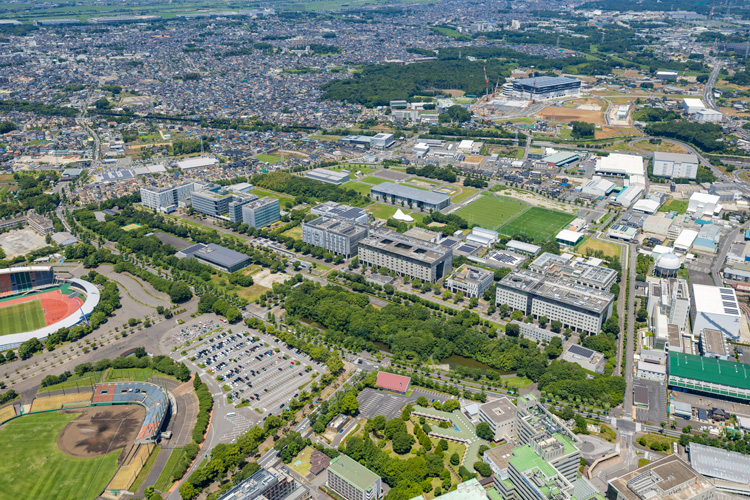
Provided by: The University of Tokyo, Kashiwa Campus
Life-Saving Therapies: Acceleration and Cost Reduction
A domestic manufacturing hub can bring immediate and concrete benefits to patients. Until now, Japanese hospitals have generally had to ship patient cells to facilities in the United States for processing. Then, the processed cell therapy products were sent back to Japan and reintroduced into the patients, which is a process fraught with transportation risks and high costs.
With the launch of Cellares' new facility in Kashiwa-no-ha, the aforementioned transportation risks and costs will be reduced, and the time from blood collection to reinfusion, known among industry insiders as the "Vein-to-Vein" time, will also be significantly shortened.
The arrival of companies like Cellares is expected to attract new partners, suppliers, and related companies, reinforcing the cluster's reputation and creating a virtuous cycle that draws further investment into Japan.
Positioning Japan as a Biotech Leader
Until recently, Japan was not widely regarded as a biotech leader, especially compared to the United States or Europe. But that perception is changing. "Japan has seen rapid advances in regenerative medicine, government support for innovation, and demographic factors such as aging and chronic disease that are fueling demand for novel therapies," Gerlinghaus pointed out.
"We're excited to join the Kashiwa–no-ha ecosystem here," Gerlinghaus said emphatically. "By working hand in hand with Japanese institutions, we can advance new therapies, create jobs, and deliver better outcomes for patients. That’s what makes Japan such a compelling destination, in which an ecosystem where shared commitment, long-term collaboration, and mutual growth can truly accelerate the future of cell therapy."
Other Spotlights
-
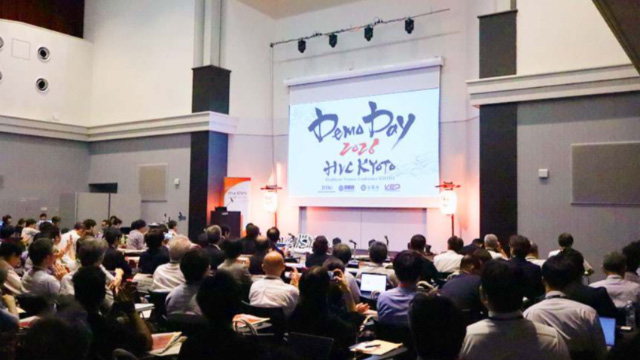
[Event Report] HVC KYOTO Held: Expanding International Life Sciences Co-creation from Kyoto to the World
-
[Event Report] Kansai Startups Exhibit at VivaTech, One of Europe's Largest Open Innovation Trade Shows
July 2026
-
[Event Report] JETRO Held a Webinar on Fuel Cells and Storage Batteries to Promote Carbon Neutrality
July 2026

Explore More
-
Why Japan
A world-class business environment, Japan provides fertile ground for innovation, and endless possibilities for business expansion. That’ s why global business leaders have chosen to invest here. Work with JETRO to map out a path to success and launch your business in the Japanese market.
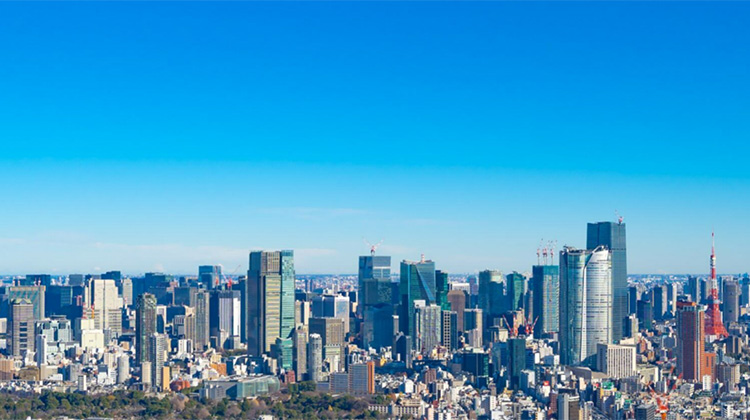
-
Attractive Sectors
We introduce Japan's attractive sectors. Learn about each sector's general overview and trends, government initiatives, and alluring markets for foreign companies.

JETRO supports your business in Japan
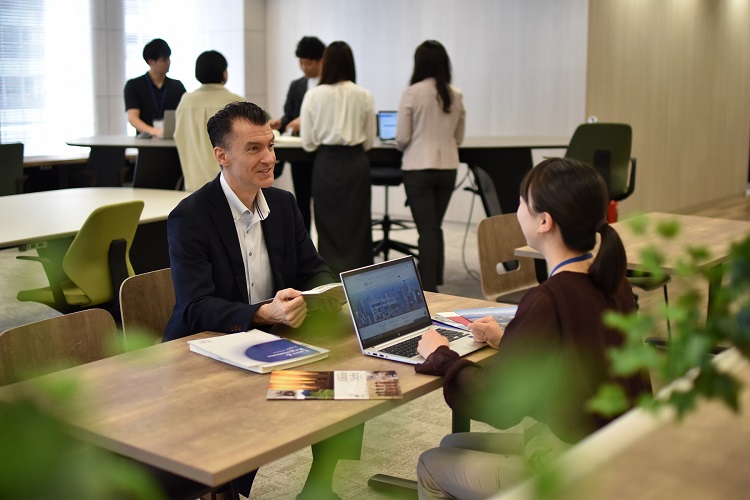
We provide consistent one-stop service for establishing a base or expanding business in Japan. See the details of support services that JETRO provides when setting up business in Japan.
Contact Us
Investing in and collaborating with Japan
We will do our very best to support your business expansion into and within Japan as well as business collaboration with Japanese companies. Please feel free to contact us via the form below for any inquiries.
Inquiry FormJETRO Worldwide
Our network covers over 50 countries worldwide. You can contact us at one of our local offices near you for consultation.
Worldwide Offices