

























May 2023
How Global Biotech Wins in Japan ― Policy Upgrades & Life Sciences Clusters Redefine Market Entry
March 2026
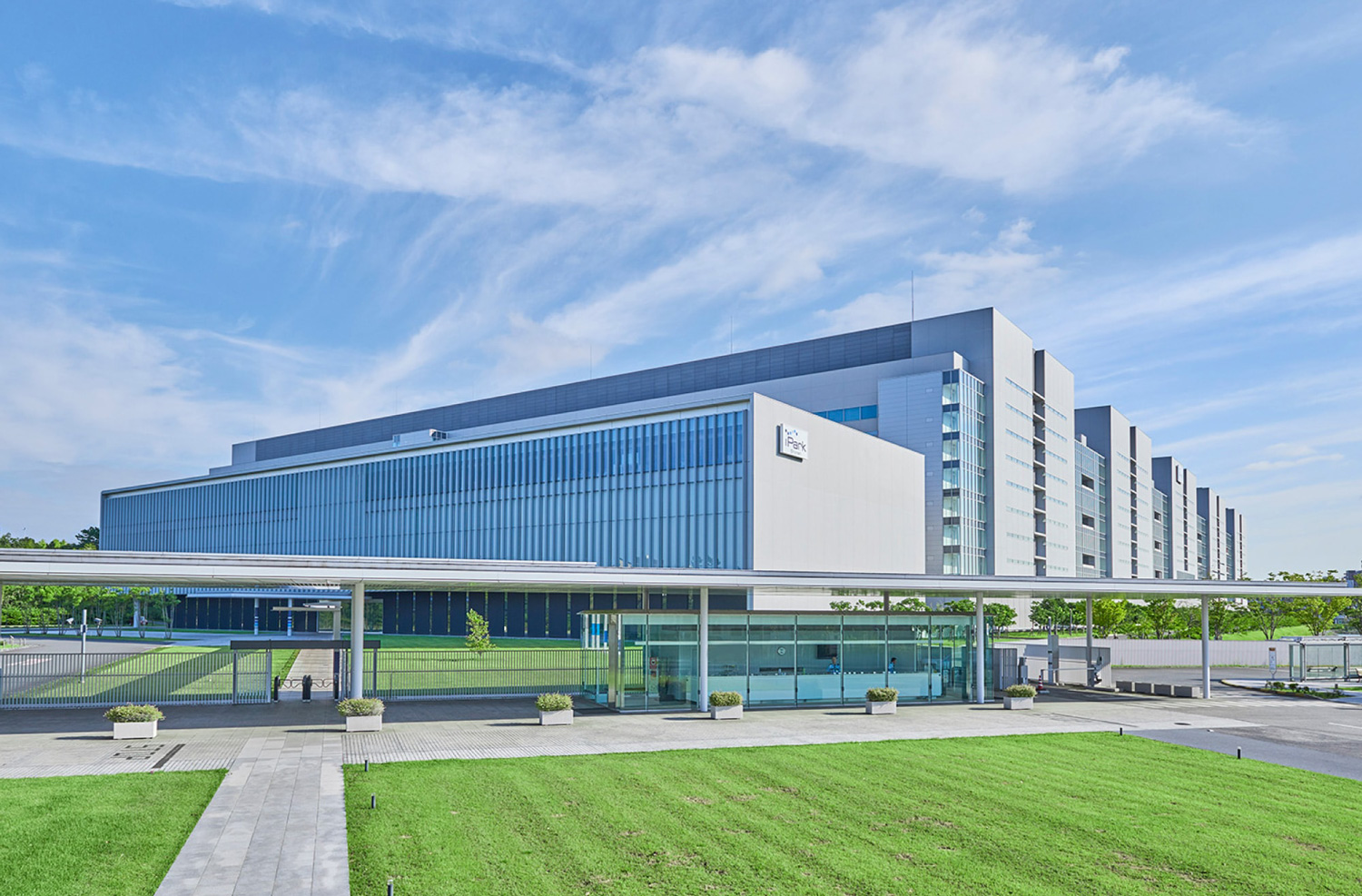
Shonan Health Innovation Park (Shonan iPark)
Provided by: iPark Institute
A Strategic Choice for Cell Therapy
Alloy Therapeutics is a biotech company that provides cutting-edge drug discovery platform technologies to external companies and research institutions, supporting pharmaceutical development. Founded in Boston, USA, in 2017, it has grown into a global enterprise, providing technology and services to over 130 companies worldwide in just under a decade.
The facility Alloy chose for its cell therapy research hub is Shonan Health Innovation Park (Shonan iPark) in Fujisawa City and Kamakura City, Kanagawa Prefecture.
Yoshihide Ishii (Victor Stone), CEO of Alloy Japan (Alloy Therapeutics' Japanese subsidiary), states, "Professor Shinya Yamanaka of Kyoto University discovered iPS cells (induced pluripotent stem cells), positioning Japan as a global leader in cell therapy. We decided to establish a presence here because 'If you're doing cell research, it has to be Japan.'"
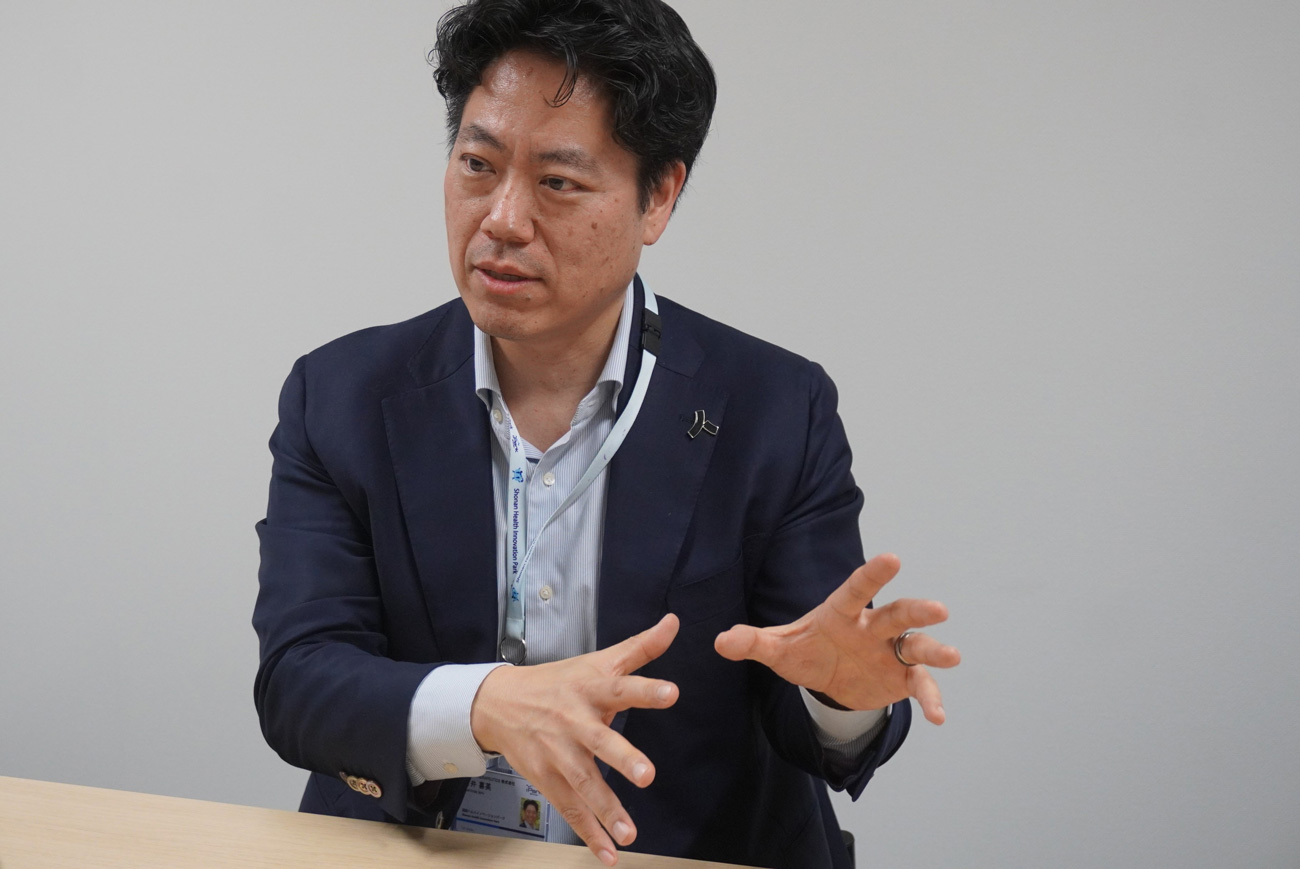
Yoshihide Ishii, CEO of Alloy Japan
There are other reasons, too. "Japan is said to have 250,000 people engaged in drug discovery R&D. It has a deep talent pool." Shonan iPark is home to over 2,500 people from approximately 190 companies and organizations. "It brings together professional scientists. We believed we could settle in and fully dedicate ourselves to this ecosystem," he says.
Lowering the Barriers to Entry
Japan possesses one of the world's largest pharmaceutical and medical device markets. Its universal health insurance system ensures stable access to medical care, creating an environment that offers ample growth potential for new drugs and innovative medical devices to enter the market. The rapidly aging population suggests continued growth potential, particularly for needs related to cancer, cardiovascular diseases, and neurodegenerative disorders. Additionally, the high quality of clinical practice and strength in accumulating medical data further enhance Japan's value as a strategic hub spanning R&D to commercialization.
On the other hand, foreign companies have long perceived Japan's life sciences market as large but difficult to enter due to hurdles such as regulations, language, and business practices. In recent years, this perception has changed significantly.
In 2024, the government issued a notification permitting new drug approval applications using English-language documentation only. For Software as a Medical Device (SaMD), including therapeutic apps and AI diagnostic support systems, a new two-phase approval system was established. This allows for early Phase 1 approval and market launch if certain conditions, including safety, are met, thereby accelerating practical implementation. For overseas pharmaceuticals that are more advanced in development, Phase 1 trials to assess safety in Japanese subjects—previously required before participating in international joint clinical trials—are now, in principle, unnecessary. This makes it easier for overseas companies to design clinical trials including Japan, with expected effects of promoting simultaneous development.
These improvements and updates to the system's operation now allow overseas companies to more concretely envision "what can be done in Japan" and "to what extent Japan can be incorporated into global development."
From "Academic-Led" to "Pharma-Led" Innovation
In the evolving and expanding life sciences industry, open innovation such as external collaboration and partnerships becomes increasingly important. Pharmaceuticals were once dominated by chemically synthesized, low-molecular-weight compounds, and a single company typically handled everything from research to production. However, today's rapid and continual advancements in new technologies such as biopharmaceuticals and messenger RNA have made such a business model difficult to sustain. For instance, the existence of companies like Alloy, which provide foundational technologies and tools for drug discovery and development, is essential. So too are mechanisms that enable the practical application of technologies originating in university labs or small startups through acquisitions or cross-industry co-creation.
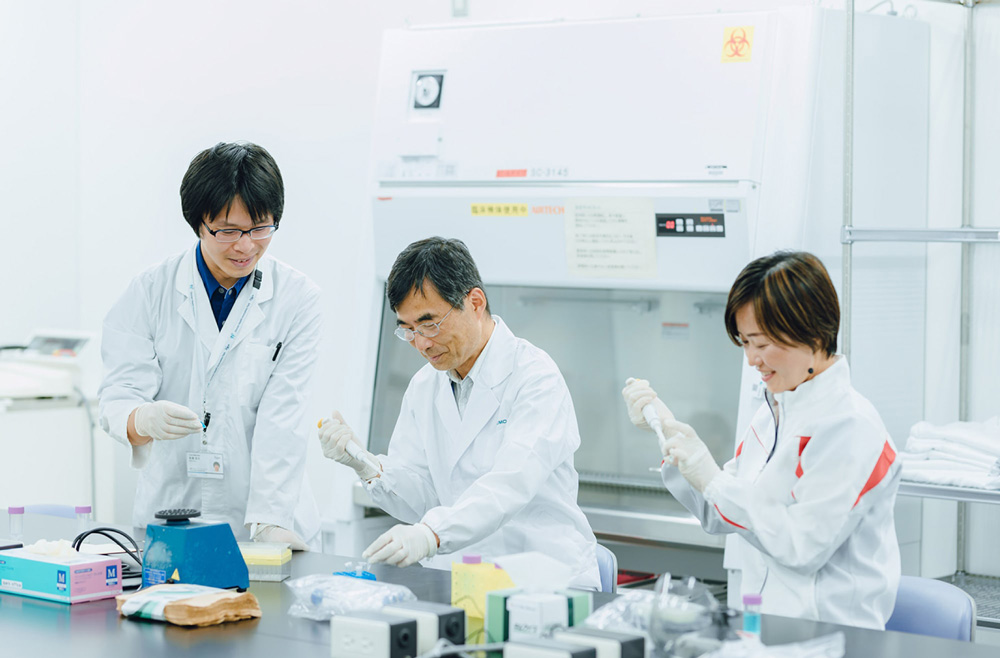
A lab at Shonan iPark
Provided by: iPark Institute
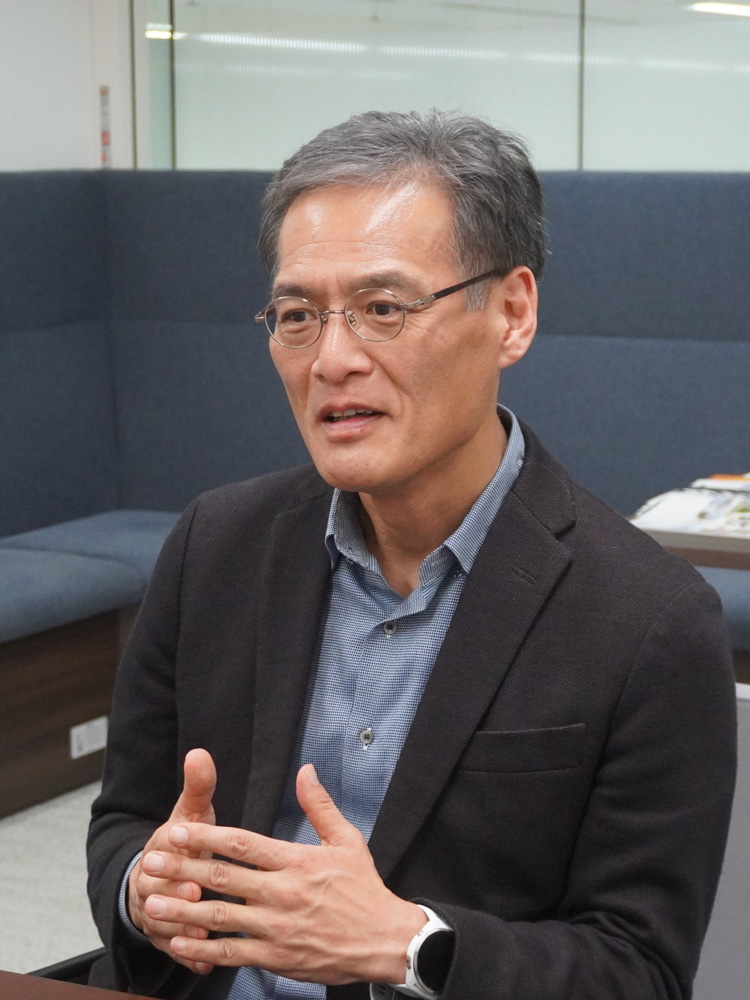
Toshio Fujimoto
CEO of iPark Institute
Toshio Fujimoto, CEO of iPark Institute, which operates Shonan iPark, states, "While many drug discovery ecosystems worldwide, including Boston, are formed 'centered around universities,' Shonan iPark's unique characteristic is that it is a science park 'originated by a pharmaceutical company.'" At Shonan iPark, a wide range of support and services is provided to tenant companies. For example, the park offers shared laboratories (open labs) that leverage the facilities and infrastructure cultivated during its time as a Takeda Pharmaceutical research center, enabling tenants to access a pharmaceutical‑grade research environment. Additionally, iPark offers science mentoring and regulatory affairs consultations by pharmaceutical company employees, entrepreneurship training, support for acquiring intellectual property from law firms, and networking opportunities with venture capital firms.
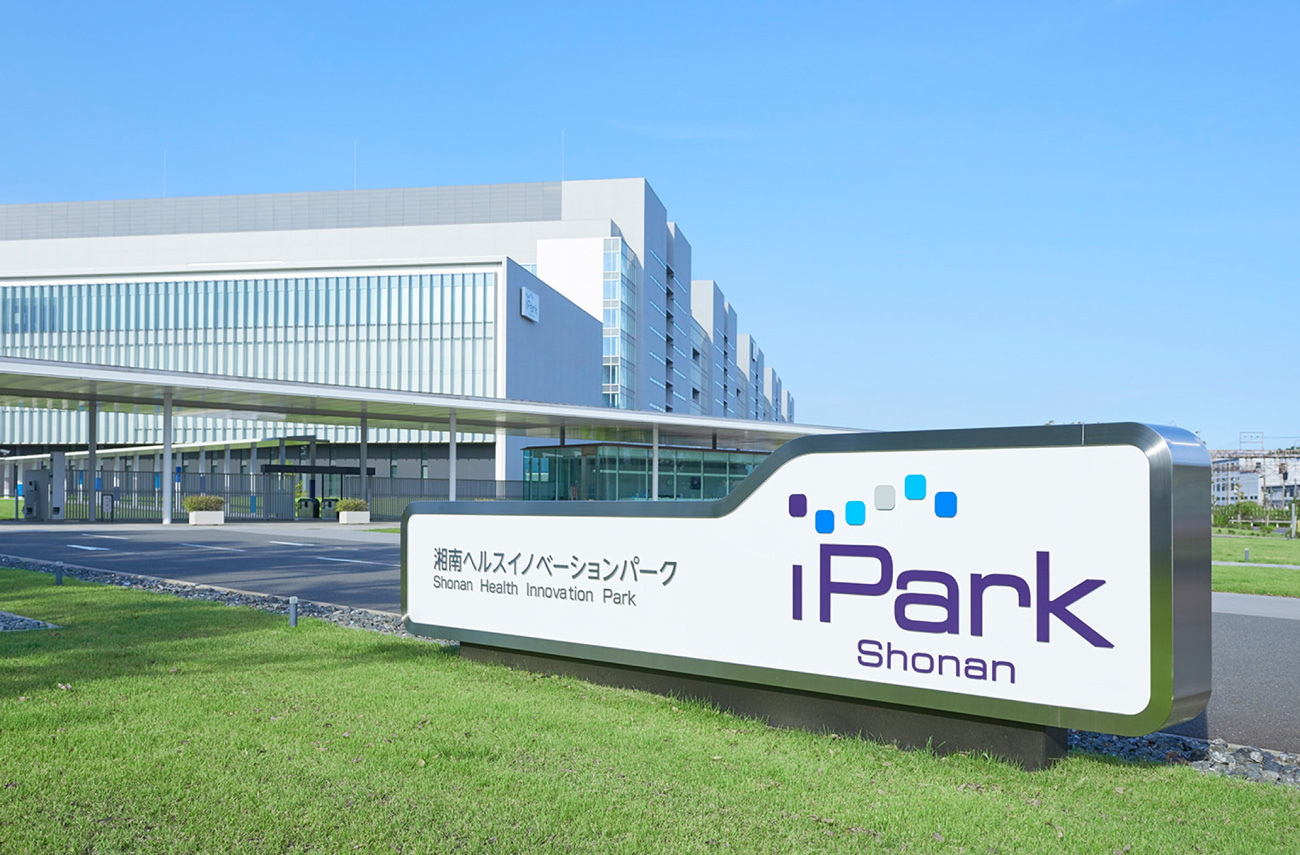
Shonan iPark
Provided by: iPark Institute
Connecting Shonan to the World
—Bring innovative ideas to society—that's iPark's vision. Dr. Fujimoto points out, "Japan's research capabilities are extremely high. However, it's crucial not to stop at research just for publishing papers, but to consider how to turn it into products. For that, it's vital for various researchers, including academia and industry, to be in the 'same space' together." iPark prioritizes creating this "space," focusing on fostering interaction among its tenants. It regularly holds study sessions, lectures, and journal clubs. Numerous shared spaces within the facility encourage the "free exchange of ideas."
Furthermore, iPark established the "Japan VC Consortium" to introduce attractive biotech ventures and startups to domestic and international venture capital firms and corporate venture capital (CVC) entities, and to exchange industry trends and investment information. This initiative also promotes building global connections that extend beyond Shonan. Dr. Ishii, CEO of Alloy Japan, who is Co-Director of the consortia, states, "Information exchange is crucial for understanding global competition and our own position. I believe this activity was born precisely because of the existence of Shonan iPark."
Since 2024, iPark has also hosted the Shonan Health Innovation Conference (SHIC) in Boston, often called the epicenter of the biotech startup ecosystem. This matching event introduces leading Asian ventures to investors, as one initiative to enhance the presence of Japan's life sciences industry.
Combating Drug Lag: Strengthening Japan's Ecosystem for Global Startups and Innovation
Dr. Fujimoto believes that iPark's efforts also contribute to resolving drug lag—the delay in introducing new drugs compared to overseas markets—and drug loss, where drugs are not submitted for approval. An analysis of 80 drugs approved in the US and Europe over the past five years but not developed in Japan revealed that over half were "drugs developed by startups." He emphasizes, "To get approval applications filed in Japan, we need to create an environment where startups feel they can grow and expand their business here. At the same time, we must enhance domestic drug discovery capabilities. Efforts on both fronts are essential."
Japan's life sciences market is gaining momentum in execution through robust demand, regulatory improvements, and diverse collaborations. Dr. Fujimoto expressed his hope, "The seeds of innovation are planted in Japan. We want many overseas pharmaceutical companies and ventures to participate and help us cultivate technological innovation and the entire ecosystem together."



Learn More



Contact Us
Investing in and collaborating with Japan
We will do our very best to support your business expansion into and within Japan as well as business collaboration with Japanese companies. Please feel free to contact us via the form below for any inquiries.
Inquiry FormJETRO Worldwide
Our network covers over 50 countries worldwide. You can contact us at one of our local offices near you for consultation.
Worldwide Offices